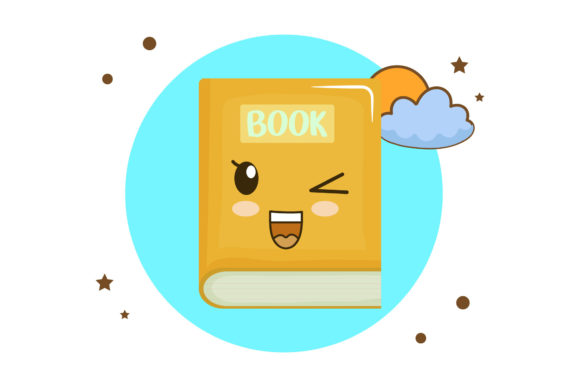
Back to School Book Cute Circle Bubble Designs: What to Check Before You Download
If you have come across a listing for a Back to School Book Cute Circle Bubble design set, you already know how appealing those playful, rounded graphics can be. They promise a quick way to add charm to classroom decor, newsletters, social media posts, or marketing materials. But before you click download or purchase, there are several practical details that many people overlook. Understanding what you are actually getting, how the files work, and where common pitfalls hide can save you time, frustration, and wasted effort.
This article walks through the mistakes that beginners and even experienced creators make when choosing, downloading, and using digital design bundles like this one. Whether you are a teacher looking for classroom decorations, a small business owner creating back-to-school promotions, or a hobbyist making gifts for friends, the advice here will help you get the most from your purchase without unnecessary headaches.
Understanding What the Back to School Book Cute Circle Bubble Set Actually Contains
At first glance, a digital design bundle may look like a simple collection of images. But the six-file format set—AI, EPS, SVG, DXF, JPG, and PNG files on a 1920x1280 pixel canvas—offers far more flexibility than a single image download. However, many buyers misinterpret what these formats are for, and that leads to confusion later.
The Back to School Book Cute Circle Bubble design is not just one graphic. It is a layered, editable composition. The AI and EPS files are vector formats intended for professional software like Adobe Illustrator or CorelDRAW. The SVG and DXF files are also vector-based, but they work in a wider range of programs, including free options like Inkscape and cutting machine software for Cricut or Silhouette. The JPG and PNG files are raster images, ready for immediate use in documents, websites, or print projects.
A common misunderstanding is assuming every format works the same way in every program. If you try to open an AI file in a basic image viewer, you will see nothing helpful. If you try to use a PNG file in a cutting machine, the result may lack the clean edges you expected. Knowing what each format does before you start prevents wasted time and frustration.
Mistake One: Choosing the Wrong File Format for Your Project
Perhaps the most frequent error people make is grabbing the first file they see without considering their actual needs. If you intend to print a flyer for a school event, the JPG or PNG file will work fine. But if you plan to resize the design for a large banner, a raster image may become pixelated. That is where the vector files—AI, EPS, SVG, or DXF—become essential.
Vector files scale to any size without losing quality. If you are a small business owner designing a billboard or a large wall decal, you will want the SVG or EPS file. If you are a teacher making a simple coloring page or a digital sticker, the PNG with a transparent background is your best friend. Understanding this distinction upfront eliminates the disappointment of a blurry print or a design that does not cut cleanly.
What to check before you start: Determine your output medium first. Are you printing? If so, what size? Are you cutting? If so, what machine do you use? Then select the corresponding file format from the bundle. This simple step alone will save you hours of rework.
Mistake Two: Overlooking Canvas Size and Resolution
The Back to School Book Cute Circle Bubble design comes on a 1920x1280 pixel canvas. That is a generous size for most web and small print uses, but it is not infinite. Some people assume they can enlarge a JPG or PNG far beyond its original dimensions without degradation. When they do, the image loses sharpness, and the cute bubble letters or book illustrations become fuzzy.
For projects requiring large prints, you should either use the vector formats or check the resolution settings in your editing software. If you are working with the PNG file at 72 DPI, it will look fine on screen but may disappoint at 24 inches wide. If you need a high-resolution print, open the AI or EPS file and export at 300 DPI at your desired size.
Another overlooked detail is the canvas aspect ratio. At 1920x1280, the proportions are 3:2. If your project requires a square or a 16:9 ratio, you will need to crop or adjust the composition. Planning for this ahead of time avoids awkward cropping that cuts off part of the design.
Mistake Three: Assuming the Design Is Ready to Use Without Editing
Many buyers expect the Back to School Book Cute Circle Bubble design to be completely finished, drop-in ready for any project. While the JPG and PNG files are immediately usable, the vector files often require software to open, edit, and export. If you do not have Adobe Illustrator, you may struggle with the AI file. Similarly, EPS files can be finicky in older or free software.
That does not mean you are stuck. Free programs like Inkscape handle SVG files well, and many online converters can transform AI or EPS files into more accessible formats. However, expecting to double-click an AI file and have it open perfectly on a school computer or a tablet is unrealistic. Check your software compatibility before purchasing, or plan to use the SVG or PNG files which have broader support.
Practical advice: If you are a beginner, start with the PNG file for digital projects and the SVG file for cutting machines. As you become more comfortable, explore the AI or EPS files for deeper customization like changing colors, rearranging elements, or adding your own text.
Mistake Four: Ignoring the Difference Between Personal and Commercial Use
Digital design bundles sometimes come with usage restrictions. While the description here does not specify license terms, it is a standard mistake to assume all digital files allow commercial use. If you are a small business owner or entrepreneur planning to sell products featuring the Back to School Book Cute Circle Bubble design, you must verify whether the license permits that. Using a design commercially without the right permissions can lead to legal issues or having your listings removed from marketplaces.
Even if the listing says "commercial use allowed," check whether there are limits on the number of products you can sell, whether credit is required, or whether the design cannot be used on certain merchandise types. These details matter. When in doubt, contact the seller directly. A quick clarification is far better than a costly mistake later.
Mistake Five: Not Testing the Files Before Starting a Large Project
One of the most avoidable errors is launching into a big production run without first testing the design files. Whether you are printing fifty classroom posters or cutting a hundred vinyl decals, always do a test run with one unit. Open the file in your software, check the layers, confirm the colors appear as expected, and verify that the cut lines are correct.
A teacher once told me she printed an entire set of bulletin board decorations only to realize the PNG file she used had a white background that clashed with her colored paper. If she had tested first, she would have noticed she needed the transparent PNG version instead. Similarly, a small business owner might cut a batch of stickers only to find the SVG file had stray nodes that caused the cutter to skip details. Testing eliminates these surprises.
Better approach: Open the SVG or AI file, check it in preview mode, and run a small sample. Adjust as needed before committing to the full run. This habit alone will raise the quality and consistency of your work.
Mistake Six: Forgetting to Organize Your Files Properly
Receiving six file formats for one design can feel generous, but it also creates clutter if you do not manage it well. Many people download the files, extract them to a folder, and then forget which version is which. Weeks later, they cannot find the editable SVG file or accidentally use the low-resolution JPG when they need the high-resolution AI file.
Take a few minutes at the start to rename the files clearly. For example, rename the PNG file to include "transparent" if it has a transparent background, or label the AI file with "editable" so you know it is the source file. Store them in a project folder with a date or project name. This small habit prevents the frustration of hunting through downloads later.
What to Check Before You Make a Final Decision
Before you purchase or download any Back to School Book Cute Circle Bubble design, run through this quick checklist:
- File formats: Do you have software that supports AI, EPS, SVG, DXF, or are you mainly using JPG and PNG? Choose the set accordingly.
- Canvas size and resolution: Will 1920x1280 pixels work for your intended project? If not, do you have the skills to scale the vector files?
- Usage rights: Is the design for personal projects or commercial products? Confirm the license terms match your plans.
- Editing needs: Do you need to change colors, add text, or rearrange elements? If yes, ensure you have access to a vector editing program.
- Testing plan: Will you run a small test before scaling up? Build that into your workflow from the start.
Taking these steps upfront turns a simple download into a reliable resource. You avoid the common pitfalls that lead to wasted time, poor quality outputs, and unnecessary frustration. The Back to School Book Cute Circle Bubble design set offers real versatility, but that versatility only helps you if you understand how to use each file type to its strengths.
Final Thoughts on Getting the Most from Your Design Bundle
The best digital design purchases are the ones you can actually use. The Back to School Book Cute Circle Bubble bundle, with its six file formats and generous canvas size, is designed to accommodate a wide range of projects. But the difference between a frustrating experience and a smooth one often comes down to preparation. Knowing your software, choosing the right format, testing before production, and respecting usage terms are not just technical details—they are the foundation of successful creative work.
Whether you are decorating a classroom, launching a back-to-school marketing campaign, or creating custom gifts for family and friends, these practical checks will help you work smarter. The design itself is only part of the equation. Your workflow, your attention to file details, and your willingness to test early make the real difference. Thank you for visiting my product and taking the time to learn how to use it effectively. With the right approach, you will get professional, polished results every time.