Choosing a Back to School T-Shirt Design Template for Your Projects
When preparing for the back-to-school season, many individuals and small businesses look for efficient ways to create themed merchandise. A Back to School T-shirt design template offers a pre-made graphic that can be applied to apparel, accessories, and promotional materials. These templates are typically provided in vector formats such as EPS, SVG, and PNG, making them adaptable for various production methods. For anyone evaluating whether such a template is the right choice, understanding its structure, limitations, and practical applications is essential. This article provides a balanced look at what these templates offer, where they excel, and when you might consider alternatives.
What Is a Back to School T-Shirt Design Template?
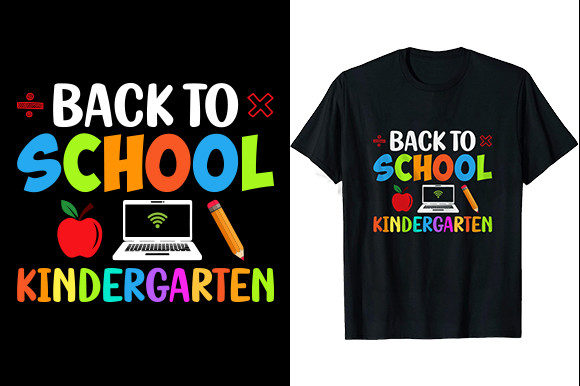
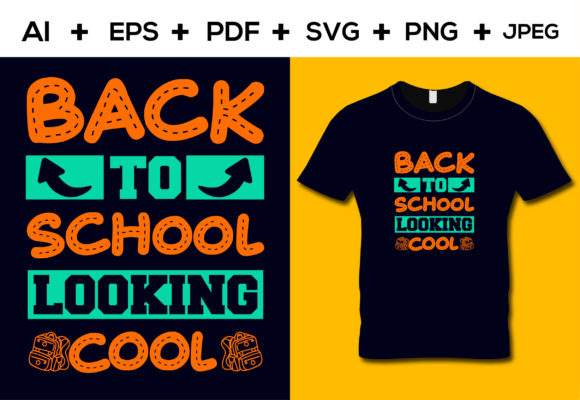
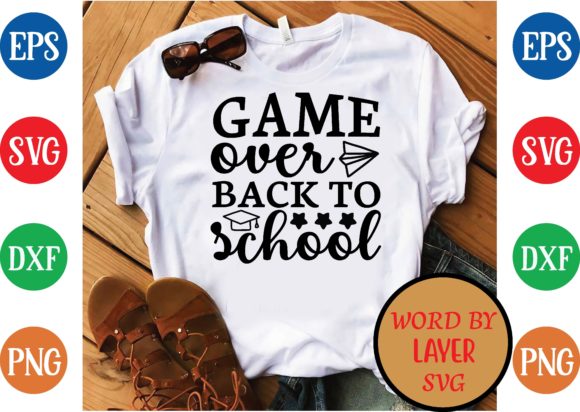
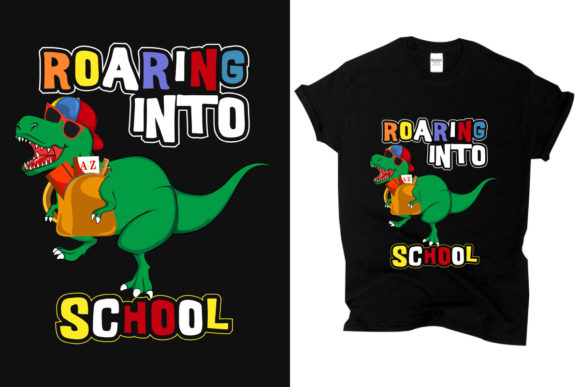
A Back to School T-shirt design template is a digital file that contains a ready-to-use graphic or layout intended for printing on shirts and other items. The specific template in question is described as a vector-based design, meaning it is created using mathematical paths rather than pixels. This allows the image to be scaled to any size without losing sharpness or quality. The file package typically includes a vector EPS file, an SVG file, and a high-resolution PNG file at 300 dpi, which is the standard for professional print work.
The template is built to be customizable. Users can change colors, text, or elements without needing to start from scratch. Because it is 100% vector, every component remains editable in compatible software such as Adobe Illustrator or free alternatives like Inkscape. The design is marketed as easy to use across a range of products, including t-shirts, pillows, mugs, stickers, apparel, clothing, posters, and more. For someone researching this product, the core value lies in the combination of pre-made artistry and flexible editing capability.
Why Consider a Pre-Made Template?
People exploring this type of template usually fall into a few categories. You might be a teacher organizing a class shirt order, a parent creating a fun design for a school event, a small business owner launching a limited back-to-school collection, or a designer looking for a starting point to save time. The primary appeal is efficiency. Rather than conceptualizing and building a design from scratch, you receive a professional-grade layout that you can adjust to your specific needs.
Another reason for interest is the technical quality. With a 300 dpi PNG file, you have a print-ready version straight out of the package. This eliminates the need to worry about resolution issues or pixelation, which can be a concern when working with lower-quality graphics. The inclusion of SVG and EPS files also means you are not locked into any single software workflow. Whether you use Adobe products, CorelDRAW, or open-source tools, you can open and modify the design.
Time and Cost Savings
Creating a custom vector design from scratch can take hours or even days, depending on complexity. A template reduces that to minutes. For a one-time project or a small batch order, paying for a template is often far less expensive than hiring a designer or investing in extensive software training. If you are operating on a tight timeline before the school year begins, the speed of going from purchase to print is a significant advantage.
Scalability and Versatility
Because the design is vector-based, you can use it on a small sticker and then enlarge it for a poster or a large shirt graphic without any degradation in quality. This versatility is valuable if you plan to create a coordinated set of products, such as shirts for students, mugs for teachers, and tote bags for parents. One template effectively serves multiple merchandise needs.
High Print Readiness
The 300 dpi PNG file ensures that even if you do not want to edit the design, you can send it directly to a print-on-demand service or a local screen printer. There is no need for additional processing or file conversion. For anyone who is not deeply familiar with graphic design software, this file type provides a straightforward path to a physical product.
Easy Customization
The template is designed to be easy to change. You can modify the text to include a specific school name, class year, or slogan. You can adjust colors to match a school's branding or your personal preference. The vector structure means that individual elements can be moved, resized, or removed without affecting the rest of the layout. This flexibility allows you to make the design your own without needing advanced design skills.
Tradeoffs and Considerations
While the benefits are clear, there are tradeoffs that anyone evaluating this template should consider. The most important is the issue of uniqueness. Since templates are sold to multiple buyers, there is a chance that someone else could use the same design. For a school event or a small business, this may not be a problem, especially if you customize it enough. However, if you require a completely original or exclusive design for branding purposes, a template may not be sufficient.
Another consideration is the learning curve for editing vector files. While the template is described as easy to use, it still requires some familiarity with vector editing software. If you have never opened an EPS or SVG file before, you will need to spend some time learning the basics. The PNG file is a workaround if you want to avoid editing entirely, but then you lose the ability to customize. Being realistic about your own technical comfort level is an important step in deciding whether this template is right for you.
File compatibility is another factor. While EPS and SVG are widely supported, some older or less common software may not handle them correctly. It is wise to verify that the software you intend to use can open and edit the file format you prefer. Additionally, the design is intended for use across many products, but certain printing methods, such as screen printing, may require additional file preparation like color separation. A template gives you a strong starting point, but it may not be the final file you hand to a printer depending on their requirements.
Expectations for Quality and Output
A 300 dpi PNG file is standard for high-quality printing, but "high quality" also depends on the design itself. Evaluate the template's resolution as advertised, but also look at the complexity of the artwork. A well-constructed vector design will have clean lines, balanced composition, and appropriate use of color. If the template appears cluttered or overly simplistic, the final print may not meet your expectations regardless of the file resolution.
When printing on dark-colored apparel, note that a PNG file with a transparent background is helpful, but you may still need to consider underbase layers in screen printing or use appropriate transfer paper for heat presses. The template itself does not account for these production variables, so you need to plan accordingly. The quality of the final product is a combination of the template's design, the printing method, and the material you choose.
Situations Where This Template Is a Strong Fit
A Back to School T-shirt design template works well in several common scenarios:
- Class or team shirts: If you need a cohesive look for a classroom, club, or sports team, a template provides a unified design that can be quickly adapted with your group's name or mascot.
- Small business product launches: For an online store or a pop-up shop, a template allows you to test a back-to-school themed product without a large upfront investment in design.
- Personal projects: Parents or volunteers organizing a school fair, fundraiser, or spirit week can create merchandise without hiring a professional designer.
- Multi-product campaigns: If you plan to sell or distribute items like shirts, mugs, and stickers with a consistent look, the vector scalability makes this easy.
- Rapid turnaround: When the school year is approaching quickly and you need a design ready for printing within days, a pre-made template is often the fastest route.
When Alternatives May Be Worth Considering
There are also situations where a different approach might serve you better. If you require a fully unique design for a registered school logo or a branded business identity, you should consider hiring a graphic designer to create a custom illustration. A template, even when modified, may retain recognizable elements that limit its distinctiveness.
If you are planning a large-scale production run, such as hundreds of shirts for a district-wide event, you may benefit from working with a professional designer and printer early in the process. They can optimize the artwork for the specific printing technique you will use, potentially reducing costs and improving durability. In this case, a template might be a starting point, but it should not be the final file without professional review.
Another alternative is using a print-on-demand platform that offers built-in design tools. If you are not comfortable with vector editing software, these platforms provide a simpler interface where you can add text and clip art directly. The tradeoff is that you have less control over the design, and the resolution may not match that of a properly prepared vector file. For someone who values simplicity above all, this could be a better fit.
Finally, if your project is purely digital, such as a social media graphic or a website banner, a dedicated digital design tool or a non-vector template might be more appropriate. While the vector format works for digital use, you are paying for print-readiness that you may not need. In that case, a lower-cost or free graphic might suffice.
Practical Decision-Making Insights
To determine whether a Back to School T-shirt design template aligns with your goals, start by clarifying your project scope. Ask yourself the following questions:
- How important is uniqueness? If your design represents an official organization or a brand, you likely need a custom approach. For informal or temporary uses, a template is usually acceptable.
- What is your comfort level with design software? If you are willing to learn basic editing, a vector template offers great value. If you prefer a no-edit solution, ensure the PNG file meets your needs as-is.
- How will the design be produced? For home printing with an inkjet or heat press, the PNG file is often sufficient. For professional screen printing, consult with your printer about file preparation.
- What is your budget? Templates are generally low-cost compared to custom design work. Factor in any additional costs for software, printing, or materials when comparing options.
- What is your timeline? If you need results immediately, a template is one of the fastest routes from concept to product.
It is also helpful to review the template before purchase, if possible. Look for a preview that shows the design at different sizes. Check whether the text is editable and whether the colors can be changed. Understanding these details ahead of time prevents surprises later. If the template description is vague about customization options, consider reaching out to the seller for clarification.
Aligning the Template with Your Needs
The right choice depends on the balance you are willing to strike between convenience and originality. For many back-to-school projects, a pre-made vector template offers an excellent combination of professional quality, flexibility, and affordability. It removes the barrier of starting from scratch and gives you a reliable foundation to build upon. For projects where brand identity or mass production is central, investing in custom design work or consulting with a production specialist may yield better long-term results.
A Back to School T-shirt design template is a practical tool for anyone who wants to produce themed merchandise without dedicating extensive time or money to graphic design. By understanding its strengths and limitations, you can make an informed decision that fits your specific situation. Whether you are creating a single shirt for a family member or a small batch for a community event, evaluating your own requirements first will help you choose the right approach.
Ultimately, the value of a template is measured by how well it serves your project. When used in the right context, with realistic expectations about customization and production, it can be a highly effective solution. When the constraints of uniqueness or specific technical requirements outweigh the benefits of convenience, exploring other options is a reasonable path forward. Taking the time to assess your needs against what a template provides will guide you to the most suitable choice for your back-to-school project.