School Back to School Kawaii: Creative Projects & Design Tips
The start of a school season brings a wave of energy, new beginnings, and a chance to refresh creative projects. For designers, educators, and entrepreneurs, the School Back to School Kawaii theme offers a playful yet practical way to connect with audiences who value warmth, charm, and a touch of whimsy. Whether you are preparing classroom materials, planning a product launch, or building content for social media, this design direction can help you stand out while keeping your work approachable and engaging.
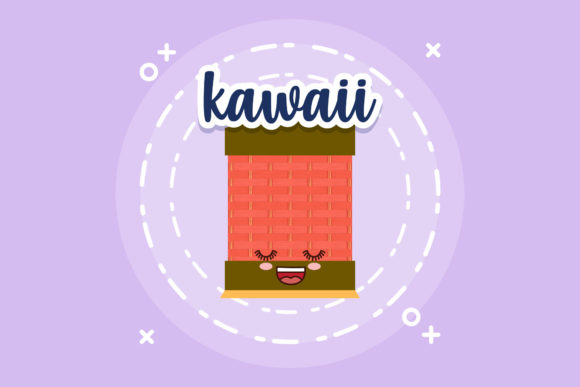
At its core, School Back to School Kawaii blends familiar school motifs—pencils, books, apples, backpacks—with the soft, rounded, and expressive style of kawaii aesthetics. The result is a versatile visual language that appeals to children and adults alike. The digital file set you receive, which includes six formats on a 1920px by 1280px canvas, gives you the flexibility to move from screen to print without losing quality. With AI, EPS, SVG, DXF, JPG, and PNG files at your disposal, you can edit, resize, and adapt the design to fit nearly any project.
Why Kawaii Works for Back to School Content
Kawaii design is rooted in simplicity and emotional resonance. Faces on objects, pastel or cheerful colors, and clean lines create an immediate sense of comfort. When applied to school themes, this style softens the sometimes stressful connotations of returning to class. Instead of rigid or overly formal visuals, you get images that feel friendly, inclusive, and motivating.
For creators, this means your audience is more likely to pause, smile, and engage. A kawaii backpack graphic on a flyer or a smiling pencil icon in a presentation can make information feel less intimidating. This is especially valuable when your target audience includes young students, parents looking for encouragement, or teachers who want to build a warm classroom environment.
Creative Possibilities with the Digital Files
Because the set includes both vector and raster formats, you are not limited to one type of output. Here are several avenues where School Back to School Kawaii can be applied effectively:
Printable Classroom Resources
Use the JPG or PNG files to create posters, bulletin board decorations, name tags, and reward charts. The 1920px canvas size works well for standard letter or A4 prints, and you can scale up without losing clarity if you use the vector formats. Add your own text or combine multiple elements from the design to build a cohesive classroom kit. Teachers and homeschooling parents appreciate ready-to-use visuals that save time and add energy to learning spaces.
Social Media and Blog Graphics
If you run an education blog, a parenting channel, or a shop that sells school supplies, these files give you instant branded content. Use the SVG or AI file to tweak colors and match your brand palette. Then export for Instagram posts, Pinterest pins, or YouTube thumbnails. A kawaii school bus with a smiling face can become a recurring mascot that followers look forward to seeing each season.
Planner and Stationery Design
Planner enthusiasts and small stationery brands can incorporate the design into stickers, washi tape patterns, notebook covers, and dividers. The DXF format is especially useful if you work with cutting machines like Cricut or Silhouette. You can cut the shapes from adhesive vinyl or cardstock and create physical products that sell well during the back to school period.
Digital Products and Templates
For those selling on platforms like Etsy, Teachers Pay Teachers, or Creative Market, the School Back to School Kawaii files can be the foundation for a whole product line. Think digital stickers for GoodNotes, presentation templates for Google Slides, or cover pages for binders. The consistent canvas size makes it easy to batch create and preview your items before listing.
Adapting the Design for Different Audiences
Not every user needs the same tone. While kawaii is inherently cute, you can adjust its application to suit older audiences or more professional contexts without losing its charm.
For a middle school or high school audience, scale back the number of facial features and use a more muted color palette. Keep the rounded shapes and friendly feel but avoid overwhelming the layout with too many elements. The vector file gives you full control to simplify or stylize as needed.
For corporate training materials or adult learning environments, use the design sparingly. A small kawaii book icon in the corner of a slide or on a welcome email header adds personality without undermining professionalism. The key is intention: use the design to signal warmth, not immaturity.
For young children and early learners, lean into the full expression of the theme. Bright colors, smiling objects, and playful arrangements work well for alphabet charts, number lines, and behavior trackers. The PNG file is ready to use immediately, so you can print and implement without any editing.
Practical Guidance for Keeping Results Clear and Effective
Working with a set of six file formats means you have options, but it also means you need to choose the right one for each task. Here are recommendations to keep your projects organized and professional:
- Use AI or EPS for large format prints such as banners, posters, or vinyl decals. These vector files scale infinitely and preserve sharp edges.
- Use SVG for web and screen applications. It loads quickly, works with most design software, and allows you to edit colors and strokes easily.
- Use DXF when cutting physical materials with a machine. Ensure your cutting mat and material settings match the design dimensions to avoid waste.
- Use JPG for quick sharing and previews. It is a universal format that opens on any device, making it ideal for client approvals or social media drafts.
- Use PNG when you need a transparent background. This is perfect for layering the design over photos, colored backgrounds, or other graphics in presentations and videos.
- Check your canvas size early. With a 1920x1280 canvas, you have a 3:2 aspect ratio. Plan your layout so that important elements are not cropped when you resize for different platforms.
Consistency matters when you use the design across multiple pieces. Keep a style guide that notes the exact colors, proportions, and spacing you used in your edits. This way, if you revisit the project months later, you can reproduce the same look without guesswork.
Realistic Examples and Project Ideas
To help you see how these files translate into real-world results, here are a few detailed scenarios:
Example One: A Teacher's Welcome Packet
A kindergarten teacher downloads the PNG file and inserts it into a Word document. She adds a speech bubble that says, “Welcome to Our Classroom!” and prints it on cardstock. The same design appears on her name tags, a classroom schedule poster, and a thank you card for parent volunteers. Because the design is unified, the room feels cohesive without requiring hours of manual decorating.
Example Two: A Small Etsy Shop Launch
A stationery seller uses the AI file to recolor the design in two variations: one pastel pink and one mint green. She exports them as PNGs and uploads them as digital sticker packs. The DXF version is used to cut vinyl stickers that she includes as freebies with every order. The product listings feature the JPG version as the main image, and the consistent sizing makes her shop look polished.
Example Three: A Marketing Campaign for a Tutoring Service
A local tutoring center creates a back to school email series using the SVG file. They resize it for the header, add a second color from their brand palette, and place it alongside a clear call to action. The same graphic is used on their Facebook cover photo and on a flyer handed out at community events. The friendly design helps reduce the anxiety parents and students feel about the new school year.
Maintaining Originality While Using a Ready Made Design
Receiving a pre designed file does not mean your work has to look generic. You can make the design your own by combining it with other elements, changing the color scheme, or adding your own typography. The vector formats allow you to ungroup objects, delete what you do not need, and rearrange components to create a completely new composition.
Consider layering the design with textures, patterns, or photographs. A kawaii apple graphic placed over a subtle notebook paper background feels fresh and thematic. Rotating elements, changing their size, or duplicating them to create a pattern also gives you more mileage from a single file.
If you plan to sell products that use this design, ensure that your final output adds enough original value to stand on its own. Combining the kawaii school elements with your own artwork, text, or layout creates a product that reflects your voice while benefiting from the strong visual base.
Final Thoughts on Versatility and Value
The School Back to School Kawaii digital file set is more than a collection of graphics. It is a starting point for projects that need warmth, clarity, and a human touch. Whether you are creating for a classroom, a brand, or a personal creative practice, the six formats give you the freedom to work across media and platforms without losing quality or time.
By understanding how to adapt the design for different audiences, choosing the right file format for each task, and applying thoughtful edits, you can turn a simple download into a full suite of meaningful content. The thank you note that comes with your purchase reflects an appreciation for your creativity—now it is up to you to take that appreciation and build something that connects, inspires, and serves your audience well.