Little Miss Second Grader: A Top Back to School Design Asset
The back-to-school season represents a unique convergence of excitement, nostalgia, and commerce. For designers, small business owners, and content creators, it’s a prime opportunity to connect with an eager audience. One design that consistently captures this spirit is the "Little Miss Second Grader" motif. But beyond the immediate charm, the real value lies in the quality and flexibility of the design assets themselves. When you work with vector files and carefully paired typography, you’re not just decorating a shirt—you’re crafting a brand experience that resonates with families.
The Visual Personality of a Modern Classroom Classic
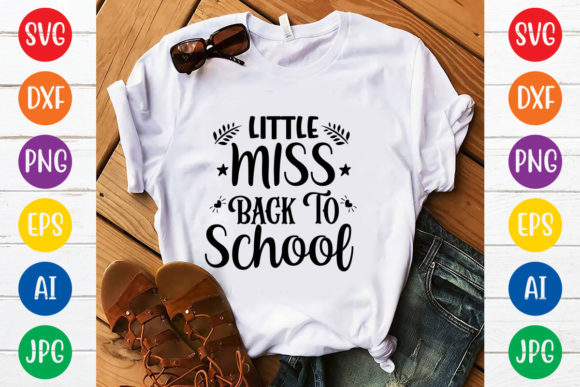
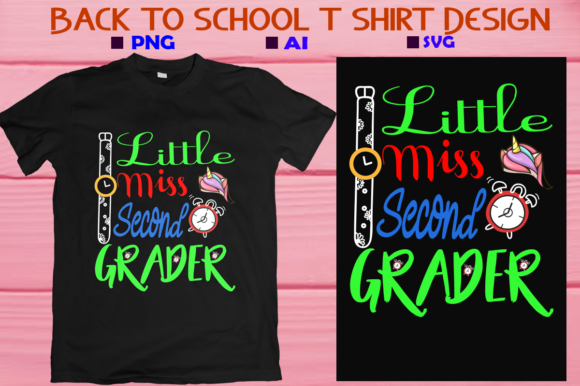
The "Little Miss Second Grader" design depends on a deliberate visual hierarchy. The phrase "Little Miss" often uses a playful, sweeping script or a delicate handwritten font. This creates an immediate emotional hook—it feels personal, affectionate, and almost like a greeting card. In contrast, "Second Grader" is frequently set in a bold, confident display font or a sturdy sans serif. This juxtaposition is critical. It balances whimsy with authority, producing a design that feels both celebratory and structured. It speaks to the parent, who appreciates the sentiment, and to the child, who feels a sense of achievement.
The overall personality is proud, sweet, and slightly nostalgic. It’s the kind of modern typography that fits right in at a school supply photoshoot or a family reunion. Because the asset is fully vectorized and editable, you can tweak the colors to match a school’s palette or a specific clothing line without losing any quality. This adaptability is what transforms a simple graphic into a versatile piece of brand identity.
Maximizing Impact Across Print, Digital, and Branding
Where does this specific type of design asset perform best? The short answer is: everywhere it needs to. Since the files are provided in AI, SVG, and PNG formats, the use cases are remarkably broad. Whether you are a crader cutting vinyl with a Cricut or a publisher designing a back-to-school campaign, having the right format saves hours of work.
Apparel and Merchandise (The Core Use Case)
T-shirts remain the flagship product for this design. A vector-based file (AI or SVG) is essential for screen printing or Direct to Garment (DTG) production. It allows printers to scale the graphic without losing sharpness and easily isolate colors for screens. For anyone running a small apparel brand, having a print-ready vector file eliminates expensive prepress headaches. You can send the file directly to the printer with confidence that the fonts and spacing will remain intact.
Digital Content and Social Media Marketing
Content creators and marketers can use the PNG file for quick mockups, social media graphics, or email headers. Imagine running a Facebook ad campaign featuring the design on a stylish t-shirt. The visual instantly communicates the target audience—parents of second graders—and the occasion. This immediate recognition can significantly boost click-through rates. Using consistent design assets across your web design and social media graphics also strengthens your brand recognition, making your store look more professional than a competitor using generic clip art.
Classroom and Personalized Products
Beyond apparel, these assets shine on stickers, lunchboxes, water bottles, and classroom decorations. Because the SVG file is fully editable, you can easily modify the text or colors to create a personalized run for a specific school or child. This level of customization is a major selling point for boutique sellers on platforms like Etsy. Offering a "customizable Little Miss Second Grader" listing allows you to charge a premium for personalization without needing to rebuild the design from scratch every time.
How Typography Influences Readability and Brand Perception
The success of this design hinges on font pairing. A common mistake is using a script that is too ornate to read at a distance. The best designs in this niche use a highly legible handwritten or display font for the main title and a supporting sans serif or slab serif for the grade level. This contrast creates a clear visual hierarchy. The eye knows exactly where to look first.
From a brand identity standpoint, consistency is key. If you are a creator selling multiple grade-level designs—"Little Miss Kindergartner" through "Little Miss Fifth Grader"—keeping the typography consistent creates a cohesive product line. This visual consistency builds trust with repeat customers. They know exactly what quality to expect. The use of a premium font or a well-crafted custom lettering style elevates the product from a simple print to a designer item. It signals to the buyer that you care about the details, which is exactly the feeling parents want to project on their child’s first day back.
Practical Guidance: Selecting and Licensing Your Design Assets
When evaluating a digital design pack, you need to look beyond the preview image. The fit for your project depends on several factors, including the software you use and the commercial rights granted.
Evaluating Project Fit
Ask yourself: is the design purely decorative, or is it meant to convey a specific message? "Little Miss Second Grader" is aspirational and proud. Ensure the typography matches that tone. A gritty, distressed font might clash with the sweet sentiment. Look at the overall composition. Does it work well on a square Instagram post? Will it still look good cropped for a sticker? A well-structured design asset should be modular and adaptable.
The Importance of File Formats and Editability
The listing promises AI, SVG, and PNG files. Here is why each matters for your workflow:
- AI File (Adobe Illustrator): This is your master file. It retains all layers, fonts, and effects. Use this for making deep edits, such as changing the layout or preparing complex color separations for screen printing.
- SVG File (Scalable Vector Graphics): This is the universal vector format. It works seamlessly with web design tools, Cricut Design Space, Silhouette Studio, and most modern graphic editors. It is 100% resizable without pixelation.
- PNG File (Portable Network Graphics): This is your ready-to-use raster file with a transparent background. It is perfect for quick mockups, digital presentations, and social media graphics where you don’t need to edit the structure.
Having all three formats ensures you are covered for any production scenario, whether you are printing at home, sending to a manufacturer, or posting online.
Understanding Commercial Licensing
For entrepreneurs, the license is the most critical component. A "personal use only" license shuts down your ability to sell products featuring the design. The description states the files are for sale for your "business, family, or anyone who supports your Special Day Occasions." However, you must confirm the specific terms. Does the license cover Print on Demand (POD) sales through Shopify or Amazon? Is there a limit on the number of units you can sell? A reputable seller will have clear, accessible licensing terms. If you have any problems with the files or the license, the description says you should contact the seller directly. Good communication here is a hallmark of a quality design asset provider.
Streamlining Your Workflow with Vector Design Assets
As someone who has managed production pipelines for small creative teams, I cannot overstate the value of buying well-prepared vector files. When you download a design that is "100% Vector, 100% Print Ready," it means the heavy lifting is finished. You do not need to trace the image, rebuild the typography, or fix kerning issues. You can focus entirely on getting the product to market.
Changing colors for different shirt blanks becomes a matter of seconds in your vector software. Resizing the design for a tote bag versus a onesie maintains perfect sharpness. This efficiency is invaluable during the chaotic back-to-school rush. It allows you to focus on what truly matters: marketing your products, fulfilling orders, and building relationships with your customers.
The right design asset does more than look good. It simplifies your production workflow, strengthens your brand, and connects with your audience on an emotional level. The "Little Miss Second Grader" trend is a testament to the power of thoughtful, scalable design. By investing in high-quality vector files and understanding the principles of good typography, you turn a simple t-shirt into a cherished keepsake—and a reliable revenue stream for your seasonal catalog.